What is the reason why the voltage stabilizer is not stable? How to solve the common faults of the voltage stabilizer?
1. Reasons why the voltage stabilizer is not stable
A voltage stabilizer is a power supply circuit or power supply device that can automatically adjust the output voltage. Its function is to stabilize the power supply voltage that fluctuates greatly and does not meet the requirements of electrical equipment within its set value range, so that various circuits or electrical equipment can work normally under the rated working voltage.
The original power voltage stabilizer relied on the relay's jump to stabilize the voltage. When the grid voltage fluctuates, the power voltage stabilizer's automatic correction circuit starts to operate the internal relay, forcing the output voltage to remain near the set value. The advantage of this circuit is that the circuit is simple, but the disadvantage is that the voltage stabilization accuracy is not high and every time the relay jumps and shifts, the power supply will be interrupted instantly and spark interference will be generated.
This will greatly interfere with the reading and writing work of the computer equipment, easily causing error signals to appear in the computer, and in serious cases, it will even damage the hard disk.
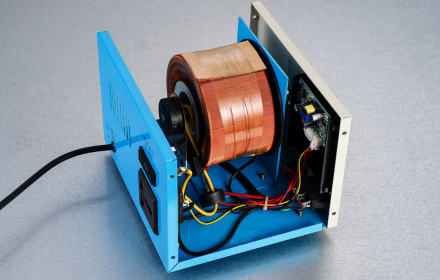
Most high-quality small voltage stabilizers use a method where a motor drags a carbon brush to stabilize the voltage. This type of voltage stabilizer has little interference to electrical equipment and has a relatively high voltage stabilization accuracy.
There may be many reasons why the voltage regulator is not regulating. Here are some possible reasons:
1. Input power fluctuation: The voltage regulator requires a stable input power supply to provide a stable output voltage. If there is a large fluctuation or noise in the input power supply, the voltage regulator may not be able to properly stabilize the output voltage. It is recommended that you check the stability of the input power supply and take appropriate measures to filter out noise and fluctuations.
2. Excessive load changes: The design of the voltage regulator is usually based on the expected load change range. If the load changes suddenly and greatly, the voltage regulator may take some time to adjust the output voltage. Therefore, the voltage regulator may be temporarily unstable when the load is connected or disconnected. Ensuring that the load change is within the load capacity of the voltage regulator and connecting or disconnecting the load gradually can reduce instability.
3. Overheat protection: To protect the internal circuit, the voltage regulator usually has an overheat protection function. When the operating temperature of the voltage regulator exceeds the safe range, the overheat protection function will be triggered, causing the voltage regulator to temporarily stop working to cool down. This may cause short-term instability of the output voltage. Please ensure that the voltage regulator has sufficient heat dissipation and ventilation to avoid overheating problems.
4. Faulty or aged components: The internal circuit of the voltage regulator includes components such as capacitors and voltage regulator chips . If any of these components fails or ages, the stability of the voltage regulator will be affected. In this case, it is recommended to contact the manufacturer or professional technicians for repair or replacement of the faulty components.
2. How to solve common faults of voltage stabilizer
1. Unstable voltage
Voltage instability is one of the most common failures of voltage regulators. This may be caused by input voltage fluctuations, load changes, or aging of components inside the voltage regulator.
Solution:
Check whether the input voltage is stable and increase the capacity of the voltage regulator if necessary.
Adjust the load to ensure that the rated output of the regulator is not exceeded.
Regularly inspect and replace aged components.
2. Overheating
Overheating of the voltage regulator may be caused by poor heat dissipation or a faulty cooling fan.
Solution:
Clean the heat sink and fans to ensure adequate air flow.
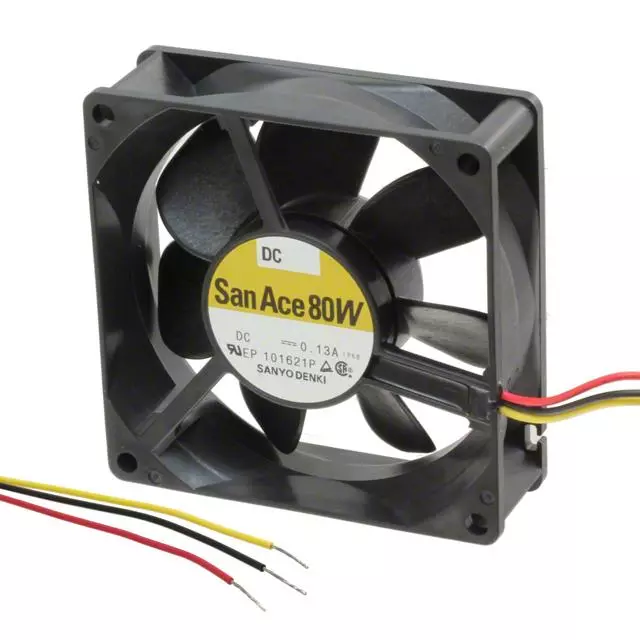
Check whether the fan is working properly and replace it if necessary.
Add cooling devices, such as heat sinks or fans.
3. Abnormal output voltage
An output voltage that is too high or too low may be due to a failure in the regulation circuitry inside the regulator.
Solution:
Check the components of the regulation circuit, such as potentiometers, resistors, capacitors, etc.
Calibrate the output voltage of the regulator.
If necessary, replace damaged components.
4. Short Circuit
A short circuit inside the regulator or at the output may cause damage to the device.
Solution:
Cut off the power supply immediately and check the cause of the short circuit.
Use a multimeter to check the circuit and locate the short circuit.
Replace damaged components or repair circuits.
5. Noise problem
The voltage stabilizer may generate electromagnetic interference and affect the normal operation of other devices.
Solution:
Use shielded cables and grounding measures to reduce electromagnetic interference.
Check the filter circuit of the voltage stabilizer and replace the filter capacitor if necessary.
6. Slow response
The voltage regulator is slow to respond to load changes, which may cause voltage fluctuations.
Solution:
Optimize the design of the voltage regulator to improve the response speed.
Increase the capacity of the voltage regulator to accommodate rapidly changing loads.
7. Inefficiency
Inefficient regulators can result in wasted energy and additional heat dissipation.
Solution:
Optimize the design of the voltage regulator to improve efficiency.
Use high-efficiency components such as switching regulators.
8. Protection circuit failure
The regulator's protection circuit may not work properly, causing damage to the device.
Solution:
Check the settings of the protection circuits to ensure they are configured correctly.
Replace damaged protective components.
Recent Technologies
- How to Efficiently Install the Chint CZF11A Socket Relay Base with Detailed Instructions 08/22
- What are the load types of intermediate relay coils? 07/30
- How to choose an industrial computer? 07/13
- Detailed steps for motor selection 06/25
- What principles should be followed when selecting a frequency converter? Introduction to frequency converter capacity selection method 06/15
- Condition Monitoring Sensor and System Failure Considerations 06/03
- What is the reason why the voltage stabilizer is not stable? How to solve the common faults of the voltage stabilizer? 05/30
- Analysis and treatment of system power failure caused by inverter harmonics 05/27
- Analysis of the causes of poor sealing of lithium batteries and on-site troubleshooting solutions 05/23
- How Industrial IoT and Big Data are changing equipment maintenance 05/22